Brake Fluid
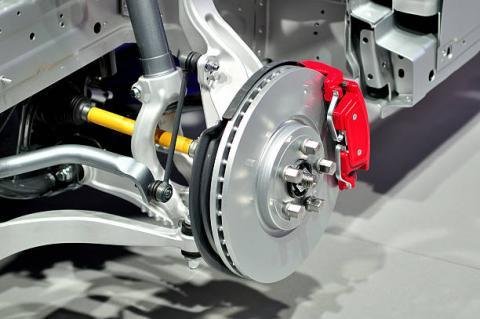
Brake Fluid Exchange near me
Brake fluid is the unsung hero of your car's braking system. This essential hydraulic fluid transfers the force from your foot on the brake pedal directly to the brakes on your wheels. Without it, your car simply wouldn't stop. At Lubrication Corner, we provide expert brake fluid services to keep you and your family safe on the roads of Franklin and Williamson County.
What Does Brake Fluid Do?
Brake fluid operates under immense pressure and high temperatures. Its primary job is to act as an incompressible liquid within a sealed system. When you press the brake pedal, the fluid transfers that pressure through the brake lines, forcing the brake pads to clamp onto the rotors and slow your vehicle down. To work correctly, it must maintain a high boiling point and be free of moisture and contaminants.
Signs Your Vehicle Needs Brake Fluid Service
- Spongy or Soft Brake Pedal: If the pedal feels mushy or goes closer to the floor than usual, it often means there's air or moisture in the lines.
- Brake Warning Light: An illuminated ABS, brake, or traction control light on your dashboard is a clear signal to get your system checked.
- Poor Stopping Performance: If your car takes longer to stop, it could be related to compromised brake fluid.
- Discolored or Cloudy Fluid: Fresh brake fluid is typically clear or light amber. If it looks dark, brown, or milky, it’s contaminated and needs to be replaced.
Our Comprehensive Brake Fluid Service
- Initial Inspection: We start by visually inspecting the brake fluid reservoir for signs of contamination and checking the fluid level.
- Moisture & Boiling Point Testing: We use specialized tools to test the moisture content and boiling point of your current fluid. This tells us precisely how degraded it is.
- Complete Fluid Flush & Exchange: We perform a full system flush to remove all the old, contaminated fluid and any trapped air or debris from the master cylinder, lines, and calipers.
- Use of Correct DOT Specification Fluid: Your vehicle requires a specific type of brake fluid (DOT 3, DOT 4, DOT 5.1). We use only the manufacturer-recommended fluid to ensure proper performance and system longevity.
- System Bleed: After the exchange, we carefully bleed the entire brake system to eliminate any air pockets, ensuring a firm and responsive pedal.
- Road Test: We finish with a road test to confirm your brakes are operating perfectly, giving you confidence and peace of mind.
Why Is Brake Fluid Maintenance So Important?
- Safety: Fresh fluid ensures your brakes perform as designed, providing maximum stopping power when you need it most.
- Consistent Pedal Feel: Removing air and moisture restores a firm, responsive brake pedal.
- Corrosion Prevention: Brake fluid contains corrosion inhibitors that wear out over time. New fluid protects expensive components like the master cylinder, calipers, and ABS module from internal rust.
- ABS & Traction Control Protection: Modern anti-lock brake and traction control systems are highly sensitive to fluid quality. Clean fluid is essential for their correct and rapid operation.
What to Expect at Lubrication Corner
We make servicing your vehicle simple and transparent. A brake fluid exchange is a straightforward process that typically takes between 45 and 90 minutes. Our team will explain the results of your fluid test and get your approval before starting any work. We stand behind our work with a commitment to quality, ensuring every service is done right the first time.
Vehicles We Service
Our technicians have the expertise to service the hydraulic brake systems on a wide range of vehicles driving through Cool Springs and Brentwood, including:
- Domestic Cars, SUVs & Trucks (Ford, Chevy, Ram, etc.)
- Import Cars & SUVs (Toyota, Honda, Nissan, Hyundai, etc.)
- European Vehicles (BMW, Mercedes-Benz, Volkswagen, Audi, etc.)
- Hybrids & EVs with Hydraulic Brake Systems
Frequently Asked Questions
How often should I have my brake fluid changed?
Most vehicle manufacturers recommend a brake fluid exchange every 2 to 3 years, regardless of mileage. This is because brake fluid absorbs moisture from the air over time, which lowers its boiling point.
What's the difference between DOT 3, DOT 4, and DOT 5.1 fluid?
The main differences are their boiling points and chemical composition. DOT 4 has a higher boiling point than DOT 3. DOT 5.1 has an even higher boiling point but is still glycol-based and compatible with DOT 3/4 systems. We always use the specific type recommended for your vehicle.
Why does moisture in brake fluid matter?
Moisture lowers the fluid's boiling point. Under heavy braking, the heat can cause the water to boil and turn into steam. Since steam is compressible, this creates a "spongy pedal" and can lead to a dangerous loss of braking ability.
What causes a spongy brake pedal?
The most common cause is air or moisture in the brake lines. It can also be a sign of a failing master cylinder or other issues. If your pedal feels soft, it's crucial to have it inspected immediately. See our Brakes page for more details.
How much does a brake fluid flush cost?
The cost can vary depending on your vehicle's make and model. Please call us for a precise estimate for your car.
Is it safe to drive with old brake fluid?
We strongly advise against it. Old, moisture-contaminated brake fluid significantly reduces your stopping power and can lead to brake failure, especially in panic-stop situations or on long downhill grades.
Schedule Your Brake Service in Franklin, TN Today!
Don't wait for a soft pedal or a warning light. Protect your vehicle’s most important safety system with a professional brake fluid exchange at Lubrication Corner. We're here to keep your brakes performing flawlessly.
Explore related service: Brakes