Full Synthetic vs. Conventional: Which Oil Does Your Car Actually Need?
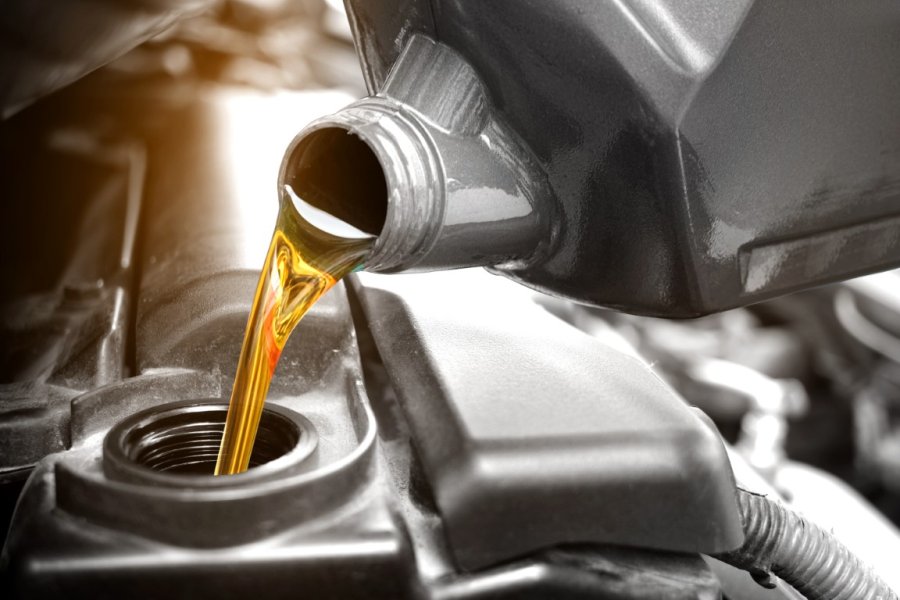
One of the questions we hear most often at Lubrication Corner is some version of this: 'Do I really need full synthetic, or is conventional oil fine?' It's a fair question — synthetic oil costs more, and if your car doesn't need it, why pay the difference? Here's the honest answer: it depends on your vehicle, your driving habits, and what your manufacturer recommends. Full synthetic oil is engineered to perform better across a wider temperature range, resist breakdown longer, and flow more quickly at cold startup. If you drive a newer vehicle, a turbocharged engine, or a performance car — or if you frequently drive in extreme temperatures — full synthetic is almost certainly what your manufacturer specifies. Using conventional in these engines can void your warranty and accelerate wear. Conventional oil works perfectly well for older vehicles with high mileage on simpler engines that were designed for it. If your car was built before the mid-2000s and has always run conventional, it may not need the switch. Synthetic blends sit in the middle — better protection than conventional, lower cost than full synthetic, and a solid choice for many everyday drivers. The best way to know for sure? Check your owner's manual — or just ask us. At Lubrication Corner in Franklin, we'll look up your vehicle specs and recommend exactly what it needs, nothing more. Come in this March and we'll get it right the first time.